
 EN
EN


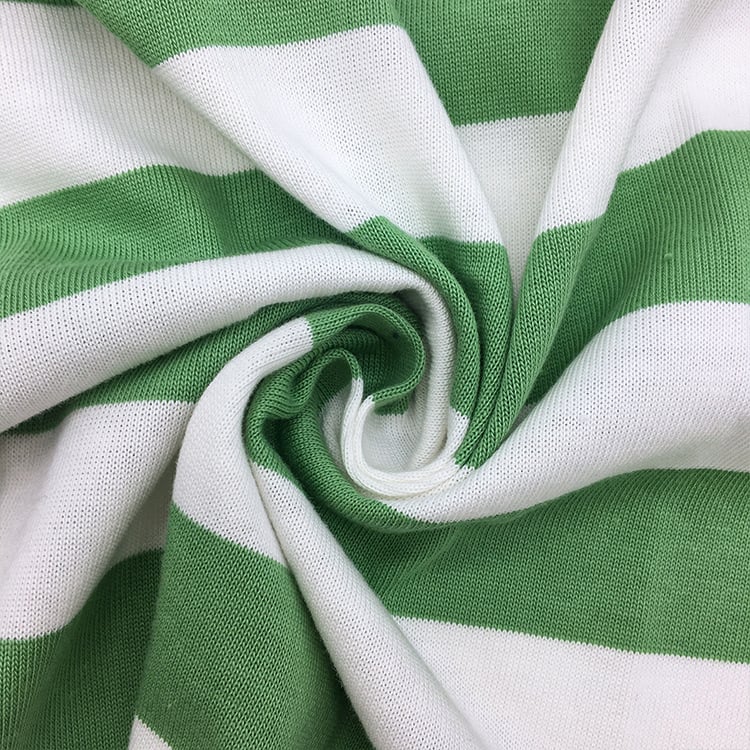
Jersey fabric has become the gold standard for t-shirt brands worldwide, and the reasons extend far beyond simple comfort. This knit textile combines breathability, stretch recovery, and durability in ways that few other materials can match. Whether designing casual everyday wear or performance-oriented apparel, manufacturers consistently choose jersey fabric because it delivers on multiple fronts simultaneously. The versatility of jersey fabric lies not just in its physical properties but in how it adapts to diverse production methods, design philosophies, and market demands.
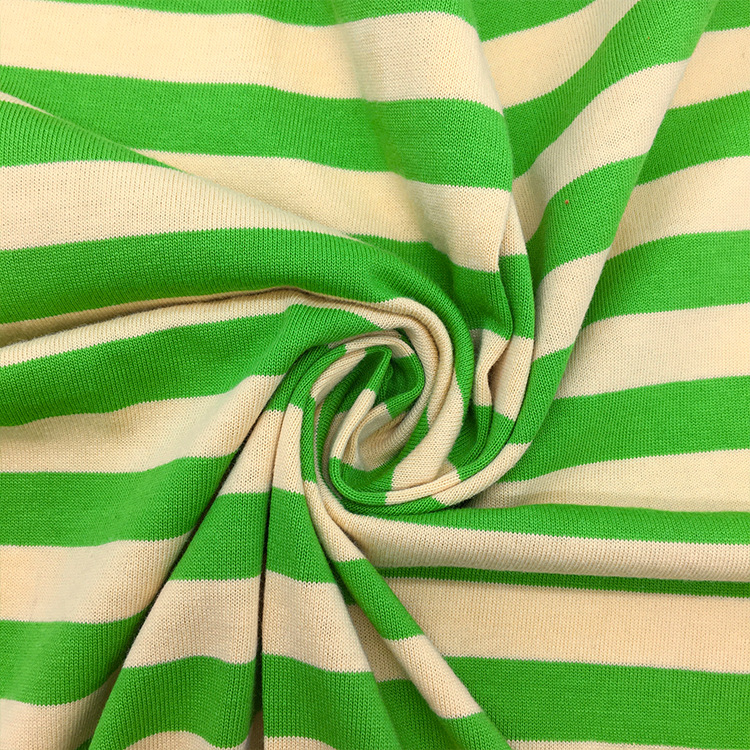
The apparel industry faces constant pressure to balance cost, quality, and consumer expectations. Jersey fabric addresses this challenge by offering exceptional versatility without requiring premium pricing structures. T-shirt brands leverage jersey fabric across product lines ranging from basic basics to technical sportswear, proving that a single material category can serve vastly different market segments. Understanding why jersey fabric commands such widespread adoption requires examining its technical composition, performance characteristics, and practical manufacturing advantages.
Understanding Jersey Fabric Construction and Performance
The Knit Structure Behind Jersey Fabric Versatility
Jersey fabric achieves its defining characteristics through a simple yet effective knit construction using single-yarn loops. This fundamental structure gives jersey fabric its natural elasticity and recovery properties that woven fabrics cannot replicate. The loops within jersey fabric allow the material to stretch in multiple directions while maintaining structural integrity, making it ideal for garments that must move with the wearer's body. When brands select jersey fabric for t-shirts, they gain immediate access to comfort features that customers expect from modern casual wear.
The weight and fiber content of jersey fabric can be adjusted without changing the basic knit structure, creating multiple product categories from a single construction type. Lightweight jersey fabric works well for summer t-shirts, while heavier jersey fabric variations serve cold-weather layering and premium casual segments. This adaptability explains why jersey fabric remains the preferred choice across seasons and geographic markets. Manufacturers can optimize jersey fabric specifications to match exact production equipment, cost targets, and performance requirements without sourcing entirely different materials.
Breathability and Moisture Management in Jersey Fabric
Jersey fabric's knit construction creates inherent air gaps that promote continuous ventilation throughout the garment. Unlike dense woven alternatives, jersey fabric allows perspiration to evaporate efficiently, making it particularly suited for everyday t-shirt applications. The breathability of jersey fabric becomes even more critical in warm climates or active wear scenarios where traditional t-shirts would feel uncomfortable. T-shirt brands have learned that jersey fabric delivers consumer satisfaction through thermal regulation that customers notice and value.
The moisture-wicking properties of jersey fabric improve significantly when manufacturers blend conventional fibers with moisture-management synthetics. Jersey fabric enhanced with these technologies maintains all traditional advantages while adding technical performance that commands premium positioning. Whether in basic cotton jersey fabric or advanced blend jersey fabric, this versatility allows brands to segment their product lines while using familiar production processes and familiar supply chain relationships.
Manufacturing Flexibility and Cost Efficiency
Production Compatibility Across Different Equipment
Jersey fabric's widespread adoption stems partly from its compatibility with established manufacturing infrastructure across global production facilities. Most t-shirt facilities already operate equipment optimized for jersey fabric handling, creating zero transition costs for brands choosing this material. The consistency of jersey fabric specifications means that facilities in different countries can produce identical garments, enabling brands to access cost advantages of distributed manufacturing. This production flexibility makes jersey fabric the obvious choice for scaled operations requiring global sourcing strategies.
Equipment commonality around jersey fabric creates a competitive advantage for brands by reducing setup times and minimizing production waste. Operators trained on jersey fabric techniques can move seamlessly between different garment styles and production runs. Jersey fabric's predictable behavior during cutting, sewing, and finishing streamlines quality control processes that would become complicated with specialty materials. The operational efficiency gained by standardizing on jersey fabric often outweighs any potential technical benefits offered by alternative materials.
Cost Structure and Scalability of Jersey Fabric
Jersey fabric pricing remains competitive across volume levels because raw fiber suppliers and fabric mills have optimized production around this dominant category. Economies of scale in jersey fabric manufacturing create price advantages that designers cannot access with niche material alternatives. Brands can source jersey fabric in small quantities for tests or in massive volumes for full production runs, with pricing that adjusts proportionally. This scalability of jersey fabric supply makes it equally attractive to independent designers and major multinational apparel corporations.
The raw material inputs for jersey fabric maintain relative stability because multiple fiber suppliers compete in this established market segment. Cotton jersey fabric, polyester jersey fabric, and blend variations all benefit from transparent pricing and numerous supplier options. Brands building jersey fabric sourcing strategies can compare quotations across mills, negotiate volume commitments, and secure long-term supply agreements without vendor lock-in risk. This competitive dynamic keeps jersey fabric cost-effective even as other production expenses rise across the apparel industry.
Design Versatility and Consumer Appeal
Aesthetic Possibilities Within Jersey Fabric
Jersey fabric accepts dyes, prints, and finishes with exceptional consistency, allowing designers to execute creative visions without material limitations. The surface texture of jersey fabric creates distinctive visual appeal that distinguishes quality t-shirts from commodity basics. Print penetration on jersey fabric produces crisp graphics that remain vibrant through multiple wash cycles, making it preferred by brands emphasizing design quality. Embroidery, appliqué, and other decorative techniques adhere securely to jersey fabric because the stable knit structure provides consistent anchoring for thread and adhesives.
Color variations in jersey fabric range from classic neutrals to vibrant fashion shades, with custom colorways achievable at reasonable production volumes. The subtle luster that quality jersey fabric imparts to finished garments elevates visual perception without requiring premium materials or complex finishing. Brands creating product hierarchies can differentiate tiers through jersey fabric weight and fiber content rather than completely different materials. Jersey fabric's inherent versatility eliminates the need for complicated material transitions when scaling from concept to mass production.
Fit and Comfort Consistency Across Product Lines
Jersey fabric's predictable stretch characteristics allow designers to achieve consistent sizing and fit across entire collections without complicated adjustments. The recovery properties of jersey fabric ensure that t-shirts maintain their original shape through extended wear and washing, building customer loyalty through reliable product quality. This dimensional stability of jersey fabric becomes critical for brands building global size standards where fit consistency across markets directly impacts return rates and customer satisfaction. Online retailers especially benefit from jersey fabric's forgiving characteristics because customers cannot physically evaluate garments before purchase.
The touch and feel of premium jersey fabric creates immediate brand perception advantages that influence purchasing decisions. Customers perceive quality through fabric hand and drape, factors where jersey fabric excels compared to alternatives. Jersey fabric specifications can be optimized to deliver premium feel without premium pricing, creating competitive positioning opportunities for value-conscious brands. The combination of comfort, durability, and aesthetic appeal makes jersey fabric the material choice that consistently satisfies both designer vision and consumer expectations.
FAQ
Why do most t-shirt brands prefer jersey fabric over other knit materials?
Jersey fabric dominates t-shirt manufacturing because it perfectly balances performance, cost, and production compatibility. The established supply chain infrastructure for jersey fabric keeps pricing competitive while the predictable behavior during manufacturing minimizes waste and quality issues. Consumer preference for jersey fabric comfort and fit characteristics makes it the obvious choice for brands prioritizing customer satisfaction and market share growth.
Can jersey fabric work for both casual and performance-oriented t-shirt applications?
Yes, jersey fabric versatility extends across multiple market segments through careful specification of weight, fiber content, and finishing treatments. Basic cotton jersey fabric serves casual everyday wear while technical jersey fabric blends with moisture-wicking synthetics perform well in active applications. This range makes jersey fabric suitable for brands developing diversified product lines without managing multiple material categories or complex sourcing strategies.
How does jersey fabric sustainability compare to alternative t-shirt materials?
Jersey fabric sustainability depends on fiber sourcing rather than the knit construction itself. Organic cotton jersey fabric offers environmental advantages while maintaining all performance benefits of conventional jersey fabric. The production efficiency of jersey fabric manufacturing actually reduces environmental impact compared to processing more complex material alternatives, making jersey fabric a responsible choice for brands prioritizing sustainability alongside performance and cost.