
 EN
EN



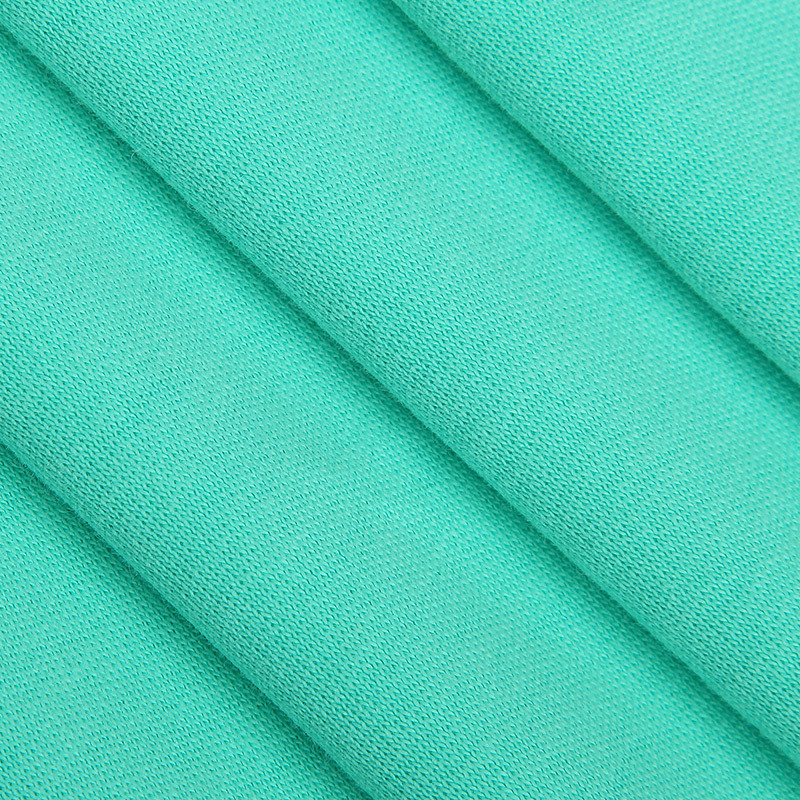
Selecting premium garments requires understanding the materials that define their quality and performance. Interlock fabric stands as a cornerstone material in the apparel industry, prized for its durability, comfort, and versatility across casualwear, activewear, and professional clothing. Yet many buyers struggle to differentiate genuine high-quality interlock fabric from lower-grade alternatives that may look similar at first glance but fail to deliver in wear, longevity, or aesthetic appeal. Understanding how to identify high-quality interlock fabric becomes essential for designers, manufacturers, retailers, and even discerning consumers who demand excellence.
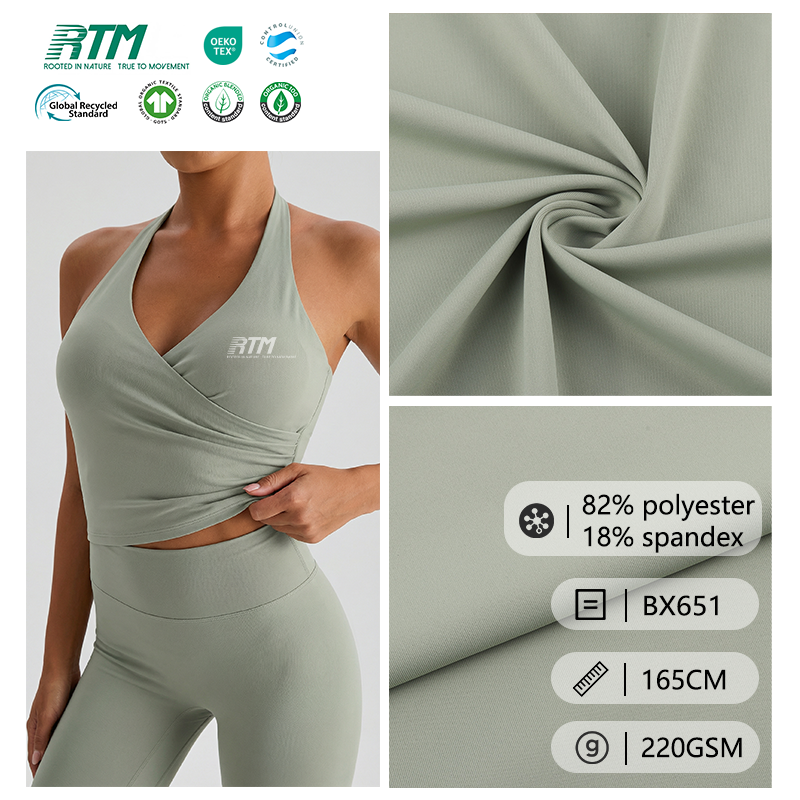
High-quality interlock fabric represents a significant investment in garment construction, influencing everything from manufacturing efficiency to end-user satisfaction. This guide walks you through the critical factors that distinguish premium interlock fabric from commodity grades, including fiber composition, construction standards, weight specifications, and performance characteristics. By mastering these evaluation criteria, you can make informed purchasing decisions that align with your quality standards and customer expectations.
Understanding Fiber Content and Composition
Premium Fiber Selection in Interlock Fabric
The foundation of any high-quality interlock fabric begins with superior fiber content. Premium interlock fabric typically combines carefully selected base fibers such as combed cotton, nylon, or polyester with performance-enhancing materials like spandex or elastane. Combed cotton, which has been processed to remove shorter fibers and impurities, creates a smoother, more refined surface compared to standard cotton. When evaluating interlock fabric, examine the fiber composition percentage and verify whether the cotton is combed or carded, as this distinction directly impacts softness and pilling resistance. Nylon-blended interlock fabric offers exceptional durability and recovery properties, making it ideal for activewear applications where stretch and shape retention matter intensely.
Understanding Elastane Ratios and Performance Impact
The spandex or elastane content in interlock fabric determines stretch recovery and wearing comfort. High-quality interlock fabric typically contains between 12 and 20 percent elastane, depending on the intended application. A higher elastane ratio in interlock fabric improves recovery after movement and extends garment lifespan, but excessive elastane can compromise breathability. The best interlock fabric formulations balance elastane content with base fiber strength to ensure both comfort and durability. Examine the fiber label carefully; premium interlock fabric will specify exact ratios rather than vague descriptions like 'stretch blend.' Test the interlock fabric's recovery by stretching a sample and observing how quickly it returns to its original shape, as premium interlock fabric snaps back almost instantly.
Assessing Construction Quality and Weight
Evaluating Knit Structure and Density
Interlock fabric derives its name from its construction method, where two single knits are interlocked face-to-face to create a dense, stable structure. High-quality interlock fabric exhibits uniform knit density with no loose loops, thin spots, or inconsistent rows. Run your hands across the fabric surface; premium interlock fabric feels smooth and consistent, with no visible bulges or compressed areas indicating quality variation. The weight of interlock fabric, measured in grams per square meter (GSM), serves as a reliable indicator of premium quality. Professional-grade interlock fabric typically ranges from 200 to 280 GSM, with heavier weights offering superior durability and body. Lighter interlock fabric below 180 GSM often lacks the substance needed for premium garments, while the densest interlock fabric exceeding 300 GSM may feel stiff and reduce comfort.
Surface Finish and Hand Feel Assessment
The surface finish of interlock fabric significantly impacts its perceived quality and market positioning. High-quality interlock fabric features a smooth, refined hand feel with a subtle sheen that suggests premium construction. Examine the fabric under strong light; superior interlock fabric maintains color consistency across the entire surface without dull patches or uneven lustre. Press your face against the fabric and breathe normally; the best interlock fabric allows adequate airflow while feeling substantial. Pilling resistance marks another hallmark of premium interlock fabric—this occurs when short fibers work loose during wear. Quality interlock fabric resists pilling through proper fiber selection and superior yarn processing, meaning samples should maintain their appearance even after multiple washes and wears.
Performance Characteristics and Testing Indicators
Color Retention and Wash Stability
Premium interlock fabric demonstrates exceptional color retention across repeated washing and sunlight exposure. High-quality interlock fabric uses superior dyes that bond securely to fibers, preventing fading that compromises appearance and professional perception. Request color fastness ratings; premium interlock fabric should score 4 or higher on the AATCC color fastness scale for both washing and light exposure. This ensures that a navy interlock fabric ordered for Q1 production matches Q4 reorders months later. Examine dye penetration by cutting a small swatch and checking if color extends uniformly through the cross-section; quality interlock fabric shows deep, consistent color saturation rather than surface-only staining.
Elasticity Recovery and Longevity Markers
True high-quality interlock fabric retains its elasticity and shape throughout the garment's expected lifespan. Test recovery by stretching a sample fabric to 50 percent elongation and releasing it immediately; premium interlock fabric returns to its original dimensions within seconds. Repeat this test twenty times; superior interlock fabric shows minimal degradation, while inferior versions begin to show permanent stretch. Dimensional stability represents another critical performance marker for interlock fabric used in fitted garments. Quality interlock fabric should not shrink more than 3 percent in length or width after washing in warm water, as excessive shrinkage ruins fit and creates liability. Advanced interlock fabric formulations use pre-shrinking treatments to minimize this effect, offering manufacturers and consumers confidence in consistent fit.
Practical Quality Verification Methods
Physical Inspection and Tactile Assessment
Begin your quality evaluation by obtaining sample swatches of the interlock fabric in question. Examine the sample under magnification; premium interlock fabric displays uniform knit structure without visible knots, loose fibers, or construction irregularities. Run your fingers along the length and width; high-quality interlock fabric feels consistent in weight distribution and texture. Check for snags by dragging a fingernail gently across the surface; superior interlock fabric resists snags, while lower grades readily catch and pull fibers. Observe the selvage edges, which serve as quality indicators; premium interlock fabric maintains neat, tightly-bound edges that unravel only when deliberately disturbed, whereas budget grades show loose, frayed edges throughout production.
Documentation and Certification Verification
Legitimate suppliers of premium interlock fabric provide comprehensive technical documentation and quality certifications. Request mill certificates listing fiber composition, weight, width, and performance test results for your interlock fabric samples. Quality assurance marks from recognized testing laboratories validate that interlock fabric meets international standards for safety, durability, and environmental responsibility. Ask about OEKO-TEX certification, which ensures the interlock fabric contains no harmful substances. These credentials indicate a supplier committed to consistent quality and transparency in their interlock fabric supply chain. Premium interlock fabric sourced through certified suppliers arrives with traceability documentation, allowing you to maintain quality consistency across production runs and seasonal orders.
FAQ
What makes interlock fabric different from other knit fabrics?
Interlock fabric differs from single knits through its unique double-layer construction, where two single knits are interlocked face-to-face. This structure creates a denser, more stable fabric that resists curling at the edges and offers superior durability. The interlocked construction makes interlock fabric heavier and more opaque than comparable single knits, while delivering improved dimensional stability and resistance to runs. These properties make interlock fabric ideal for premium garments requiring professional appearance and reliable performance during extended wear.
How can I test the elastane quality in interlock fabric?
Test elastane quality by repeatedly stretching and releasing a small interlock fabric sample. Premium interlock fabric recovers instantly to its original shape with minimal degradation after 20 stretch cycles, while inferior interlock fabric shows progressive permanent elongation. You can also examine how the interlock fabric feels during the stretch—quality elastane provides smooth, consistent resistance, whereas poor elastane creates lumpy sensations or uneven tension. Request tensile strength and elasticity recovery specifications from your supplier; these technical measurements quantify how well the elastane performs in your interlock fabric.
What is the ideal weight range for premium garment interlock fabric?
Premium garment interlock fabric typically falls between 200 and 280 GSM, with specific weights depending on the garment type. Lighter interlock fabric below 180 GSM works well for summer activewear, while heavier interlock fabric above 250 GSM provides superior body and drape for professional and cold-weather applications. Mid-weight interlock fabric around 220 GSM offers optimal versatility for casual and athleisure garments, balancing durability, comfort, and manufacturing efficiency. Always match your interlock fabric weight to your intended application rather than assuming heavier always means better quality.