Premium Printed Jersey Fabric - Comfortable, Durable, and Vibrant Textile Solutions

Get a Free Quote

Our representative will contact you soon.
Email
Mobile/WhatsApp
Name
Company Name
Message
0/1000

printed jersey fabric

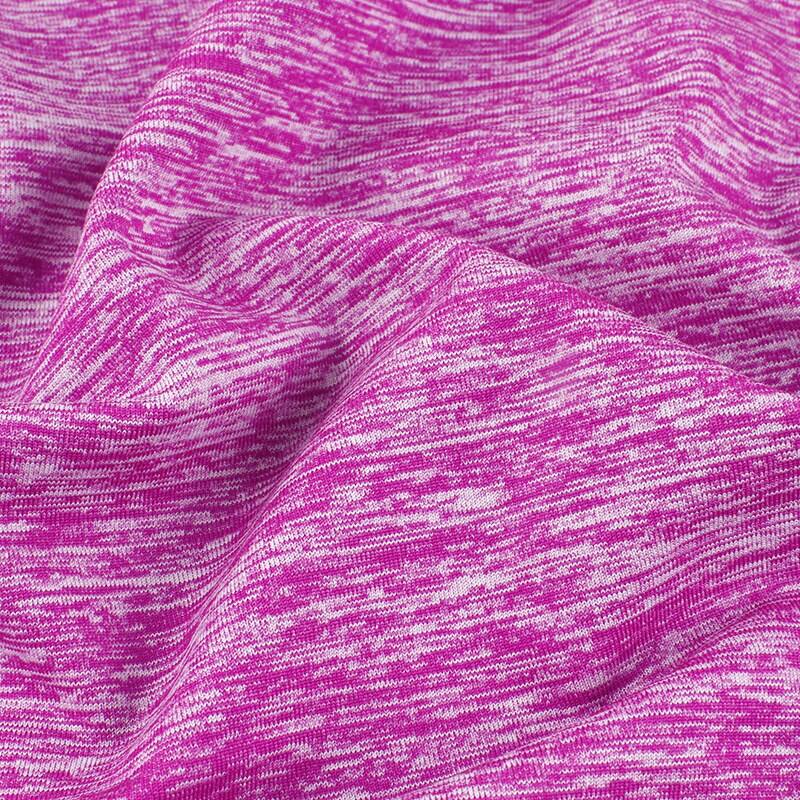
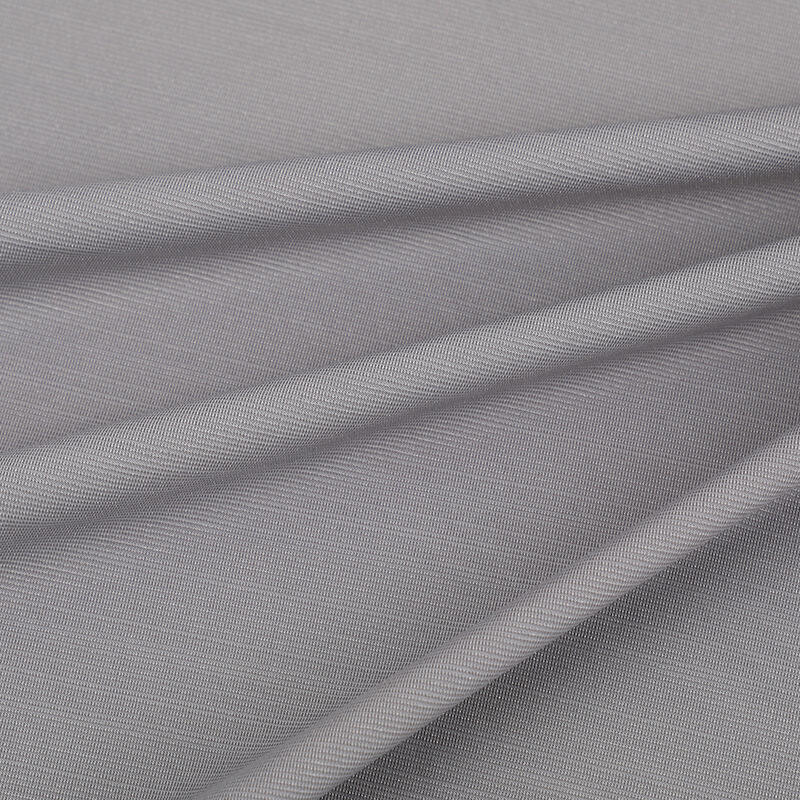
Printed jersey fabric represents a versatile and innovative textile solution that combines the natural stretch and comfort of knitted construction with vibrant, durable printing technologies. This fabric consists of interlocked loops that create a flexible, breathable material perfect for various applications ranging from athletic wear to casual clothing and home textiles. The printed jersey fabric utilizes advanced digital printing methods, screen printing techniques, or heat transfer processes to apply detailed designs, patterns, and colors directly onto the knitted surface. The technological foundation of printed jersey fabric lies in its knitted structure, which allows fibers to move freely while maintaining shape retention. Modern manufacturing processes ensure that the printing adheres permanently to the fabric surface without compromising the material's inherent stretch properties. The fabric typically consists of cotton, polyester, spandex, or blended combinations that enhance performance characteristics. Digital printing technology enables precise color reproduction and intricate design details that remain vibrant after multiple wash cycles. The applications for printed jersey fabric span numerous industries including fashion, sportswear, children's clothing, sleepwear, and promotional merchandise. Fashion designers favor this material for creating comfortable yet stylish garments that require both aesthetic appeal and functional performance. Athletic brands utilize printed jersey fabric for moisture-wicking sportswear that maintains breathability during intense physical activities. The textile industry has embraced printed jersey fabric due to its cost-effective production methods and ability to meet diverse consumer demands for personalized, comfortable clothing options that maintain visual impact over time.

Popular Products

Printed jersey fabric offers exceptional comfort through its natural stretch properties that move with the body, eliminating restrictions during daily activities or exercise routines. The knitted construction creates a soft hand feel that remains gentle against sensitive skin while providing adequate coverage and support. This material excels in moisture management, allowing air circulation that keeps wearers cool and dry throughout extended wear periods. The printing process bonds designs permanently to the fabric surface, ensuring graphics remain crisp and colors stay vibrant even after frequent washing and regular use. Manufacturers can achieve complex color combinations and detailed artwork that would be impossible with traditional weaving methods, opening creative possibilities for designers and brands. The fabric maintains its shape excellently, resisting stretching out of form while accommodating natural body movements without creating uncomfortable bunching or pulling sensations. Care requirements remain minimal as printed jersey fabric typically tolerates machine washing and standard drying processes without special handling or expensive maintenance procedures. Production efficiency makes this material cost-effective for both manufacturers and consumers, enabling affordable pricing without sacrificing quality or visual appeal. The versatility of printed jersey fabric allows for seasonal adaptability, working well in lightweight summer garments or as base layers during cooler weather conditions. Environmental considerations benefit from modern printing techniques that reduce water usage and chemical waste compared to traditional dyeing methods. Retailers appreciate the quick turnaround times possible with digital printing on jersey substrates, allowing for rapid response to trending designs and market demands. Consumers enjoy the personalization options available through custom printing services that create unique garments reflecting individual style preferences. The durability of printed jersey fabric ensures long-term value as colors resist fading and designs maintain integrity through regular wear and cleaning cycles, making it an intelligent investment for wardrobe staples.

Practical Tips

Get a Free Quote

Our representative will contact you soon.
Email
Mobile/WhatsApp
Name
Company Name
Message
0/1000

printed jersey fabric

Superior Stretch and Recovery Performance

Superior Stretch and Recovery Performance

Printed jersey fabric delivers outstanding stretch and recovery capabilities that set it apart from rigid woven alternatives, making it the preferred choice for activewear, loungewear, and everyday clothing items that demand flexibility without sacrificing durability. The knitted loop construction allows the material to extend in multiple directions while consistently returning to its original shape, ensuring garments maintain their fit and appearance over time. This mechanical stretch eliminates the need for additional elastane in many applications, reducing material costs while providing natural give that accommodates body movement during various activities. The recovery aspect proves crucial for maintaining garment longevity, as the fabric resists permanent deformation that commonly affects other textile types after repeated stress. Advanced knitting techniques create precise tension control throughout the fabric structure, resulting in consistent stretch percentages across the entire material width and length. This uniformity ensures predictable performance in finished garments, allowing designers to calculate exact fit requirements and pattern specifications with confidence. The stretch properties remain stable through printing processes, as modern techniques accommodate fabric movement without cracking or distorting applied designs. Consumers benefit from clothing that feels comfortable during extended wear periods, whether engaging in physical exercise, sitting at work desks, or participating in leisure activities. The fabric's ability to conform to body contours creates flattering silhouettes that enhance wearer confidence while providing practical functionality. Quality control measures during production verify stretch and recovery percentages meet specified standards, ensuring consistent performance across production batches. The mechanical properties also contribute to reduced wrinkling, as the fabric's natural flexibility allows it to bounce back from creasing that occurs during packaging, shipping, or normal wear situations.
Advanced Color Retention Technology

Advanced Color Retention Technology

The color retention technology integrated into printed jersey fabric manufacturing processes ensures designs maintain their visual impact and vibrancy throughout the product lifecycle, addressing one of the most common consumer concerns about printed textiles. Modern printing methods utilize reactive dyes, pigment inks, or sublimation processes that create permanent bonds between colorants and fiber molecules, resulting in fade-resistant graphics that withstand repeated washing, UV exposure, and general wear conditions. Pre-treatment processes prepare the fabric surface to accept and hold colorants effectively, while post-treatment applications lock colors in place and enhance wash fastness properties. Laboratory testing protocols verify color retention performance under standardized conditions that simulate real-world usage scenarios, including exposure to chlorinated water, perspiration, light sources, and various detergent formulations. The chemical bonding achieved through proper printing techniques means colors become integral parts of the fabric structure rather than surface coatings that can wear away over time. Quality printed jersey fabric maintains color intensity for dozens of wash cycles, providing excellent value for consumers who expect long-lasting appearance from their clothing investments. Specialized fixing agents used during production create additional molecular bridges that strengthen the color-to-fiber connection, particularly important for dark colors and bright hues that traditionally show fading more readily. The technology also enables successful printing on synthetic blends that historically presented challenges for color adhesion, expanding the range of base fabrics available for printed applications. Environmental testing exposes samples to accelerated aging conditions that compress years of natural exposure into shortened timeframes, allowing manufacturers to predict and guarantee performance standards. Consumer satisfaction surveys consistently highlight color retention as a primary factor in repeat purchases, making this technological advantage crucial for brand loyalty and market success.
Versatile Manufacturing and Customization Options

Versatile Manufacturing and Customization Options

Printed jersey fabric offers unparalleled manufacturing flexibility and customization possibilities that enable brands, designers, and consumers to create unique products tailored to specific requirements, market niches, or personal preferences. The digital printing capabilities allow for small batch production runs that make custom designs economically viable, eliminating the high minimum order quantities traditionally required for textile printing projects. This accessibility opens opportunities for small businesses, independent designers, and individual consumers to access professional-quality printed fabrics without substantial upfront investments. Variable data printing technology enables each piece of fabric to feature different designs, colors, or personalization elements within the same production run, supporting mass customization strategies that meet growing consumer demands for individualized products. The rapid setup times associated with digital printing on jersey substrates allow manufacturers to respond quickly to trending designs, seasonal changes, or urgent order requirements that traditional printing methods cannot accommodate efficiently. Color matching capabilities ensure printed designs accurately reproduce specified colors across different production batches, maintaining brand consistency and meeting strict quality standards required by fashion and promotional product industries. The fabric base can be modified through fiber content adjustments, weight variations, or surface treatments to optimize performance characteristics for specific applications while maintaining printability. Sampling processes allow customers to evaluate appearance, hand feel, and performance properties before committing to large production quantities, reducing risks associated with new product development or design changes. Integration with computer-aided design software streamlines the workflow from concept to finished fabric, enabling designers to visualize results and make adjustments before physical production begins. Sustainable printing options including water-based inks, eco-friendly chemicals, and energy-efficient processes support environmental responsibility goals while maintaining quality standards. The manufacturing versatility extends to post-printing treatments such as softening, anti-microbial applications, or moisture-wicking enhancements that add functional benefits to the aesthetic appeal of printed designs.

Get a Free Quote

Our representative will contact you soon.
Email
Mobile/WhatsApp
Name
Company Name
Message
0/1000