EN
EN



Advanced Manufacturing Technology and Quality Control Systems
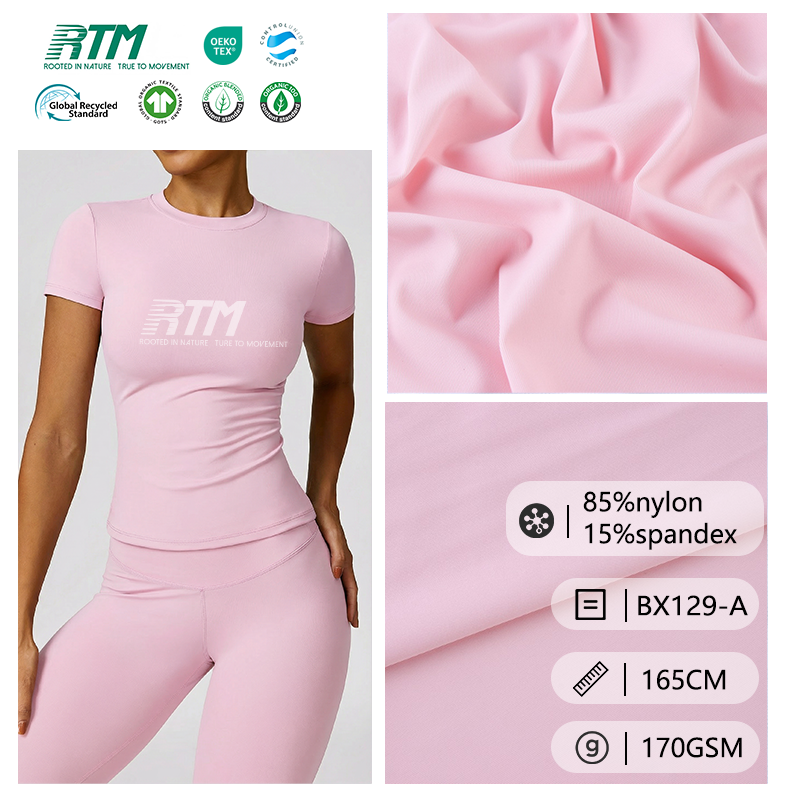
Leading nylon spandex fabric vendors distinguish themselves through implementation of cutting-edge manufacturing technology and comprehensive quality control systems that ensure consistent, superior product performance. These vendors invest heavily in state-of-the-art knitting machines, precision blending equipment, and automated quality monitoring systems that maintain strict tolerances throughout production processes. Advanced circular knitting machines enable creation of seamless fabrics with uniform stretch properties and consistent thickness across entire rolls. Computer-controlled fiber feeding systems ensure precise nylon-to-spandex ratios, eliminating variations that could compromise fabric performance. Sophisticated dyeing equipment utilizes temperature and pH monitoring to achieve consistent coloration while preserving fiber integrity. Quality control protocols implemented by professional nylon spandex fabric vendors include multiple inspection points throughout manufacturing processes. Raw material testing verifies fiber specifications before production begins, ensuring only premium materials enter manufacturing streams. In-process monitoring tracks tension levels, stitch formation, and dimensional stability to identify potential issues before they affect finished products. Final inspection procedures evaluate stretch recovery, tear strength, colorfastness, and appearance characteristics using standardized testing methods. Digital quality management systems maintain detailed production records, enabling traceability and continuous improvement initiatives. Advanced testing laboratories equipped with tensile testing machines, color spectrophotometers, and wash fastness equipment provide objective performance verification. These comprehensive quality systems enable nylon spandex fabric vendors to offer performance guarantees and technical support that protect client investments. Automated defect detection systems using machine vision technology identify surface irregularities, thickness variations, and color inconsistencies that manual inspection might miss. Statistical process control methods analyze production data to identify trends and implement preventive measures before quality issues occur. This technological sophistication translates into reduced waste, improved efficiency, and enhanced customer satisfaction through consistent delivery of high-performance materials that meet or exceed specifications.