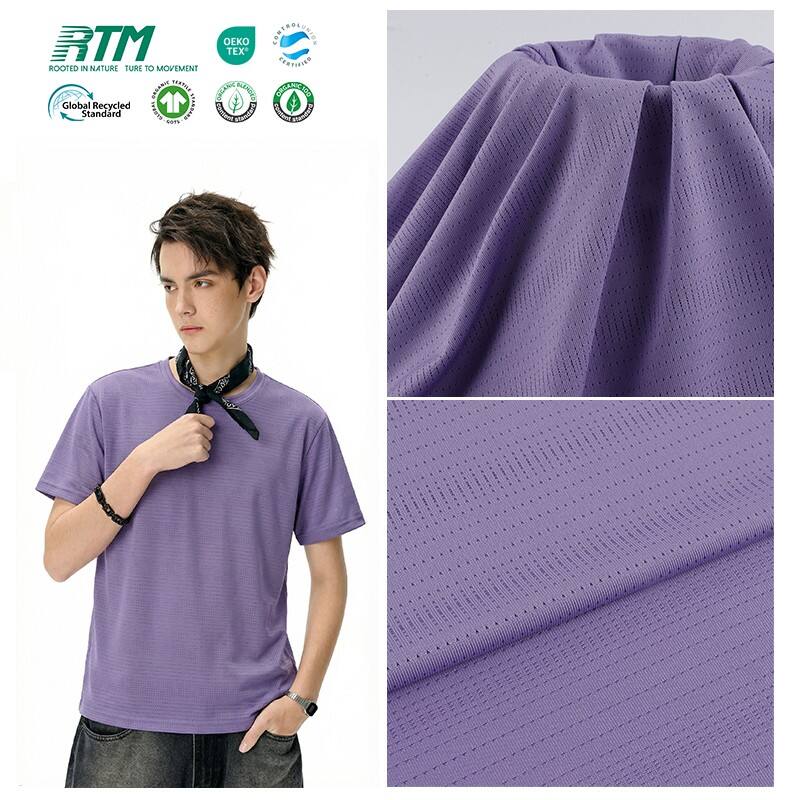
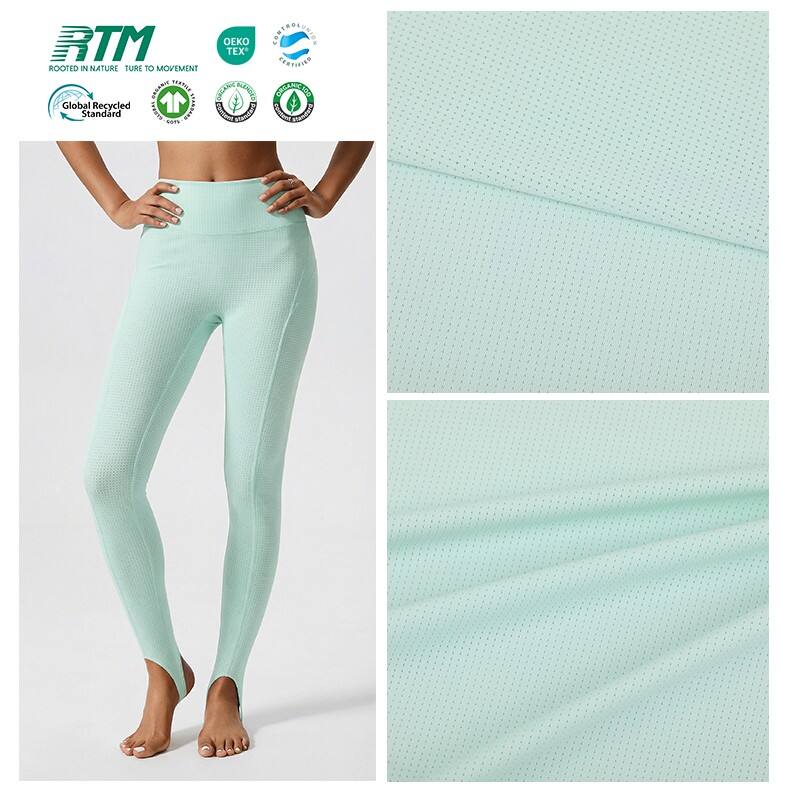
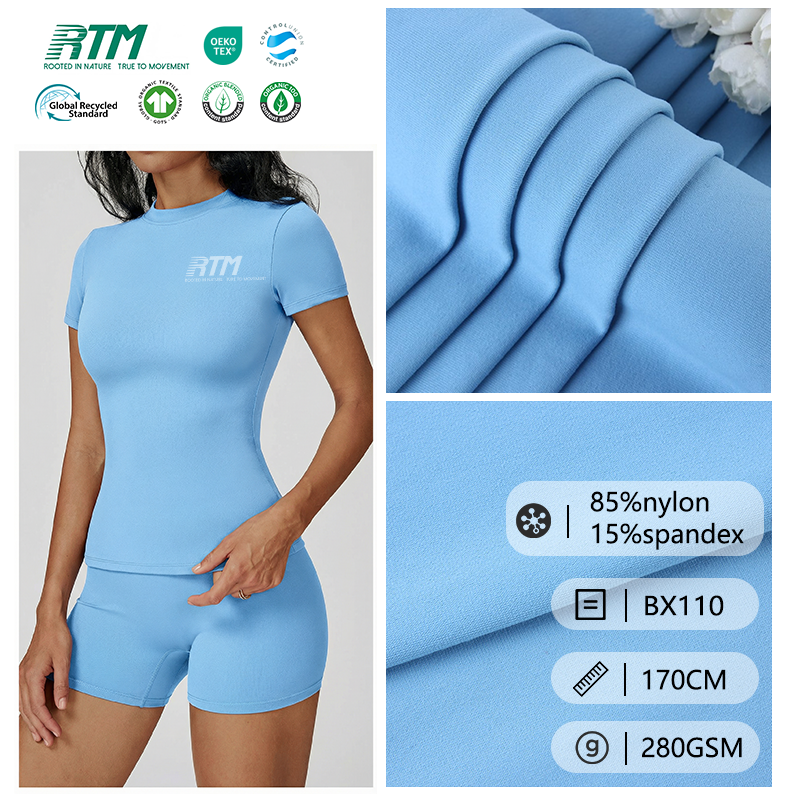
Premium Linen Knit Fabric - Advanced Moisture-Wicking & Temperature Control Textile Solutions

Get a Free Quote

Our representative will contact you soon.
Email
Mobile/WhatsApp
Name
Company Name
Message
0/1000

linen knit fabric

Linen knit fabric represents a revolutionary blend of traditional linen fibers with modern knitting technology, creating a textile that combines the best characteristics of both worlds. This innovative fabric construction transforms the typically rigid and crisp nature of conventional linen into a flexible, stretchable, and supremely comfortable material. The linen knit fabric is manufactured through specialized knitting processes that interlace linen yarns in various stitch patterns, creating a structure that maintains the natural breathability and moisture-wicking properties of linen while introducing enhanced elasticity and drape. The primary functions of linen knit fabric center around comfort, temperature regulation, and versatility. Its unique cellular structure allows exceptional air circulation, making it ideal for warm weather applications and active wear. The fabric excels in moisture management, quickly absorbing perspiration and releasing it into the atmosphere, keeping the wearer dry and comfortable throughout extended periods of use. Technologically, linen knit fabric incorporates several advanced features that distinguish it from traditional woven linen. The knitting process creates inherent stretch properties, typically offering 15-25% elasticity in both horizontal and vertical directions. This stretch recovery ensures the fabric maintains its shape after repeated wear and washing cycles. The knit construction also provides superior wrinkle resistance compared to woven linen, reducing maintenance requirements and enhancing the fabric's practical appeal for everyday use. Applications for linen knit fabric span numerous industries and product categories. In fashion, it serves as an excellent choice for casual wear, activewear, and summer garments, including t-shirts, polo shirts, dresses, and loungewear. The hospitality industry utilizes linen knit fabric for bedding applications, particularly sheet sets and pillowcases, where its cooling properties and soft hand feel enhance guest comfort. Home textile manufacturers incorporate this fabric into curtains, upholstery, and decorative accessories, leveraging its natural aesthetic appeal and functional benefits. Medical and healthcare sectors also employ linen knit fabric in specialized applications, taking advantage of its hypoallergenic properties and moisture management capabilities.

New Products

Linen knit fabric delivers exceptional comfort through its unique combination of natural fiber benefits and innovative construction methods. The knitting process creates a softer hand feel compared to traditional woven linen, eliminating the initial stiffness that often characterizes conventional linen products. This enhanced comfort factor makes linen knit fabric immediately wearable without requiring extensive breaking-in periods. Users experience immediate satisfaction with the fabric's gentle touch against the skin, making it particularly suitable for sensitive skin types and extended wear applications. The superior breathability of linen knit fabric provides significant advantages for temperature regulation and overall comfort. The natural properties of linen fibers, combined with the open structure created by knitting, facilitate excellent air circulation. This enhanced breathability helps maintain optimal body temperature during warm weather conditions and physical activities. The fabric actively promotes cooling through evaporation, creating a microclimate that keeps the wearer comfortable even in challenging environmental conditions. Durability represents another major advantage of linen knit fabric. The knitting construction distributes stress more evenly across the fabric structure compared to woven alternatives, reducing the likelihood of tearing or damage from normal use. This improved durability translates to longer product lifecycles and better value for consumers. The fabric maintains its appearance and performance characteristics through multiple washing and drying cycles, demonstrating excellent colorfastness and dimensional stability. Easy care and maintenance constitute practical advantages that appeal to busy consumers. Linen knit fabric requires less intensive care routines compared to traditional linen products. The wrinkle resistance inherent in the knit structure reduces ironing requirements, saving time and energy in garment care. The fabric responds well to machine washing and drying, accommodating modern lifestyle demands for convenient textile care. These maintenance advantages contribute to the overall cost-effectiveness of linen knit fabric products. Environmental sustainability provides compelling advantages for environmentally conscious consumers. Linen knit fabric originates from flax plants, which require minimal water and pesticides during cultivation. The manufacturing process generates less environmental impact compared to synthetic alternatives, supporting sustainable consumption patterns. The biodegradable nature of linen fibers ensures that end-of-life disposal creates minimal environmental burden. Versatility in application offers significant advantages for both manufacturers and consumers. Linen knit fabric adapts to various product categories and design requirements, providing flexibility in product development and manufacturing. This versatility enables economies of scale in production while meeting diverse market demands. The fabric's ability to blend with other fibers expands its potential applications and performance characteristics.

Latest News

Get a Free Quote

Our representative will contact you soon.
Email
Mobile/WhatsApp
Name
Company Name
Message
0/1000

linen knit fabric

Revolutionary Moisture Management Technology

Revolutionary Moisture Management Technology

Linen knit fabric incorporates advanced moisture management technology that sets it apart from conventional textile options. The unique fiber structure of linen, combined with the innovative knitting construction, creates an exceptional moisture-wicking system that actively transports perspiration away from the skin surface. This sophisticated moisture management occurs through capillary action, where the natural hollow structure of linen fibers draws moisture from the skin and disperses it across the fabric surface for rapid evaporation. The knit construction enhances this natural capability by creating additional air channels and surface area for moisture transfer. Unlike synthetic moisture-wicking fabrics that rely on chemical treatments, linen knit fabric achieves superior performance through its inherent fiber properties and mechanical construction. This natural approach to moisture management provides long-lasting performance that does not diminish with repeated washing or extended use. The technology proves particularly beneficial in active wear applications, where effective moisture management directly impacts user comfort and performance. Athletes and fitness enthusiasts appreciate how linen knit fabric keeps them dry during intense physical activities, while casual users enjoy the comfort benefits during daily wear. The moisture management technology also contributes to odor control, as the rapid moisture removal prevents the bacterial growth that typically causes unpleasant odors in synthetic fabrics. This natural antimicrobial effect extends the wearing time between washes, providing practical benefits for travelers and active individuals. The cooling effect generated by the moisture evaporation process creates a natural air conditioning system that helps regulate body temperature. This technology makes linen knit fabric particularly valuable for warm climate applications and summer seasonal products. The combination of moisture removal and temperature regulation delivers a comprehensive comfort solution that addresses multiple user needs simultaneously. Healthcare applications benefit significantly from this moisture management technology, particularly in products designed for extended skin contact. The fabric's ability to maintain a dry, comfortable environment next to the skin helps prevent irritation and promotes healing in medical and therapeutic applications.
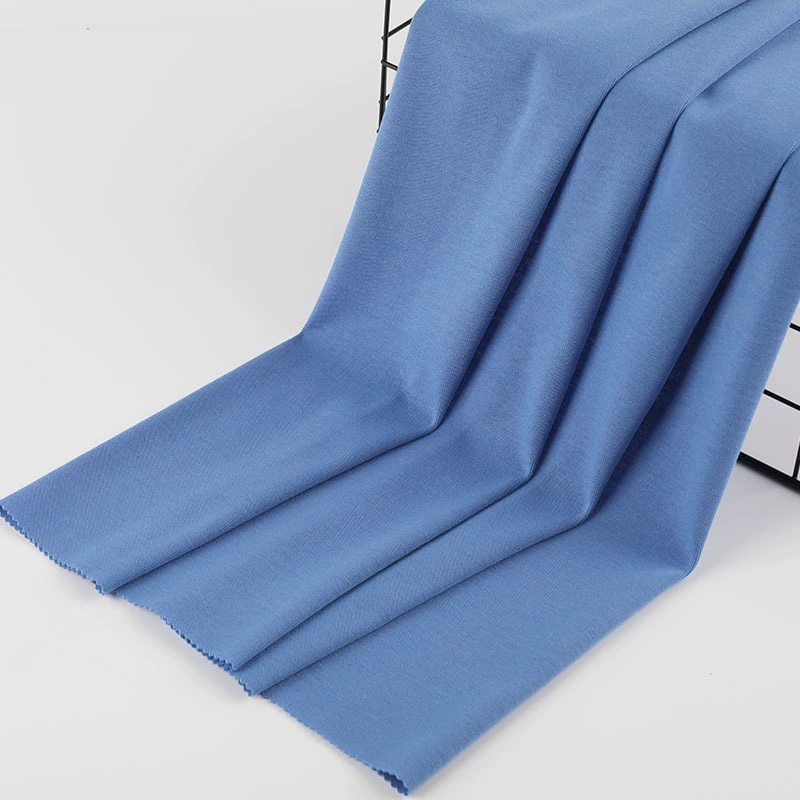
Exceptional Stretch and Recovery Properties

Exceptional Stretch and Recovery Properties

The exceptional stretch and recovery properties of linen knit fabric represent a groundbreaking advancement in natural fiber textiles. Traditional linen fabrics lack elasticity, often resulting in restricted movement and poor shape retention. Linen knit fabric revolutionizes this limitation through innovative knitting techniques that introduce controlled stretch capabilities while maintaining the desirable characteristics of linen fibers. The stretch properties typically range from 15% to 30% in both horizontal and vertical directions, depending on the specific knit construction employed. This elasticity enables freedom of movement that enhances user comfort in various applications, from athletic wear to casual clothing. The stretch mechanism operates through the physical structure of the knitted loops, which can expand and contract without permanently deforming the individual linen fibers. This mechanical stretch system provides superior durability compared to fabrics that rely on elastic fiber blends, as the stretch properties remain consistent throughout the product lifecycle. Recovery properties ensure that linen knit fabric returns to its original dimensions after stretching, preventing the sagging and bagging that plague many stretch fabrics. The recovery mechanism functions through the inherent memory of the knit structure, which creates a spring-back effect when stretch forces are removed. This recovery capability maintains garment fit and appearance over extended wear periods, contributing to product longevity and user satisfaction. The combination of stretch and recovery properties makes linen knit fabric ideal for form-fitting applications where both comfort and appearance are critical factors. The stretch properties also contribute to improved wrinkle resistance, as the fabric's ability to accommodate movement and stress reduces the formation of permanent creases. This practical benefit simplifies garment care and maintenance, appealing to consumers who value convenience in their textile choices. Athletic and activewear applications particularly benefit from these stretch and recovery properties, as they enable the fabric to accommodate the full range of body movements during physical activities. The natural elasticity eliminates the binding and restriction often experienced with rigid fabrics, enhancing performance and comfort. Professional and casual wear applications also benefit, as the stretch properties provide a more comfortable fit while maintaining a professional appearance.
Superior Temperature Regulation System

Superior Temperature Regulation System

Linen knit fabric features a superior temperature regulation system that provides unmatched comfort across diverse environmental conditions. This advanced thermal management capability stems from the unique combination of linen's natural thermal properties and the enhanced air circulation created by knit construction. The system operates on multiple levels, providing both immediate cooling effects and long-term temperature stability. The primary mechanism involves the natural thermal conductivity of linen fibers, which efficiently transfers heat away from the body. Unlike synthetic materials that can trap heat, linen knit fabric actively facilitates heat dissipation through its fiber structure. The knitting process amplifies this natural capability by creating additional air pockets and circulation pathways throughout the fabric structure. These air channels function as thermal highways, promoting continuous air movement that carries heat away from the wearer. The temperature regulation system adapts dynamically to changing conditions, providing cooling when temperatures rise and insulation when temperatures drop. This adaptive capability makes linen knit fabric suitable for variable climate conditions and transitional seasons. The fabric's thermal mass remains low, enabling rapid temperature adjustments that respond quickly to environmental changes. Users experience consistent comfort without the overheating or chilling effects common in fabrics with poor thermal regulation. Sleep comfort applications particularly benefit from this temperature regulation system, as the fabric helps maintain optimal sleeping temperatures throughout the night. The cooling properties prove especially valuable for hot sleepers and warm climate regions, where temperature management significantly impacts sleep quality. The fabric's ability to dissipate body heat prevents the heat buildup that causes sleep disruption and discomfort. Daytime applications also benefit significantly, particularly in professional environments where temperature control affects productivity and comfort. The natural cooling properties help maintain comfortable body temperature during extended periods of indoor activity, reducing reliance on artificial cooling systems. Outdoor applications benefit from the fabric's ability to provide cooling relief while maintaining protection from environmental elements. The temperature regulation system also contributes to energy efficiency in climate-controlled environments, as the natural cooling properties reduce the need for aggressive air conditioning. This environmental benefit aligns with sustainable living practices while providing economic advantages through reduced energy consumption.

Get a Free Quote

Our representative will contact you soon.
Email
Mobile/WhatsApp
Name
Company Name
Message
0/1000